Also known as
Main function
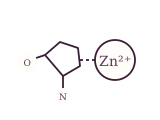
Zinc PCA is a mineral salt that occurs naturally in skin's own moisturizing factor. In cosmetics, it helps regulate oil production and has mild antibacterial properties.
What does this mean for melanin-rich skin?
Zinc PCA doesn't affect melanin directly — it has no brightening or darkening properties. Its relevance here is indirect: it helps regulate excess oil and has mild antibacterial activity, both of which can reduce breakouts. Since breakouts are one of the more common triggers of PIH on melanin-rich skin, keeping oil and bacteria in check is a supporting role rather than a pigment-targeting one.
Evidence
Sebum regulation, indirect PIH prevention Mechanistic
Well-established as a supporting, oil-regulating ingredient rather than a direct pigment-fading one.
How does climate affect this?
As a mineral salt, zinc PCA is heat-stable as a raw ingredient. Its oil-regulating property is genuinely more useful in hot, humid conditions where sebum production tends to increase.
Key considerations
- — A finished product's stability still depends on its full formulation, not zinc PCA alone.
What can you actually check?
Every cosmetic sold in Nigeria is legally required to carry a NAFDAC number. Check yours on NAFDAC's NAPAMS portal — no result, or a completely different product, is your answer.
Then check the ingredients list for "Zinc PCA" specifically. It's often confused with zinc oxide (a mineral sunscreen filter) or zinc sulfate on marketing copy — these are different ingredients with different functions, so the exact name matters.
- Typical formulation pH
- 5.0 – 7.0
- Concentration range
- 0.5 – 2%
- Common concentration used
- 1%
- Best for
- Oily or acne-prone skin, including sensitive-oily combinations
The sebum-regulating and mild antimicrobial properties described here reflect well-established cosmetic formulation chemistry rather than a single cited trial.
Sourcing tier: general formulation/dermatology chemistry.
At a glance: INCI Zinc PCA · Sebum-regulating / humectant · Water-soluble · Common in serums, toners · AM or PM · Last reviewed September 2026