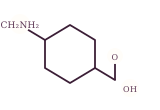
Also known as
Main function
Tranexamic acid works through a different pathway than most brightening ingredients, targeting a mechanism specifically linked to melasma rather than pigmentation generally.
What does this mean for melanin-rich skin?
Tranexamic acid works differently from most brightening ingredients. It interferes with a pathway involving plasmin activity that appears to be overactive in melasma specifically, and it's genuinely one of the most researched options for melasma in skin of color, since melasma disproportionately affects darker skin tones.
It's worth being honest here: results across studies are mixed. Some trials show meaningful improvement. At least one well-designed study found topical tranexamic acid performed no better than its inactive base. It's promising, not guaranteed.
One more thing worth knowing: most of the clinical research on topical tranexamic acid for melasma has been conducted in Thai, Iranian, and Pakistani study populations. That's directly relevant since melasma and skin response can vary across skin types and populations, and it means the evidence, while genuinely useful, isn't automatically a perfect match for every skin tone reading this.
Evidence
Melasma reduction Limited · Mixed
Multiple trials show real improvement; at least one well-controlled study found no significant difference from vehicle. Study populations were concentrated in a few regions.
How does climate affect this?
There's no strong evidence of unusual heat or humidity sensitivity for tranexamic acid specifically. General storage precautions, kept cool, dry, and away from direct sun, apply as they would to most actives.
What can you actually check?
Every cosmetic sold in Nigeria is legally required to carry a NAFDAC number. Check yours on NAFDAC's NAPAMS portal — no result, or a completely different product, is your answer.
Then check the ingredients list for "Tranexamic Acid" and its stated percentage. Most studied topical concentrations are 2–5%.
- Typical formulation pH
- 5.0 – 7.0
- Concentration range
- 2 – 5%
- Common concentration used
- 5%
- Best for
- Melasma-prone skin, particularly alongside consistent sunscreen use
The claims on this page draw on the following sources.
-
Efficacy vs. vehicle (found no significant difference)
Kanechorn Na Ayuthaya P, Niumphradit N, Manosroi A. Topical 5% tranexamic acid for melasma in Asians: a double-blind RCT. J Cosmet Laser Ther. 2012;14(3):150–154. -
Comparable results to hydroquinone + dexamethasone
Ebrahimi B, Naeini FF. Topical tranexamic acid as a promising treatment for melasma. J Res Med Sci. 2014;19(8):753–757.
Sourcing tier: specific cited studies. Evidence intentionally graded "Limited · Mixed" given the conflicting results above.
At a glance: INCI Tranexamic Acid · Melasma treatment · Water-soluble · Common in serums · AM or PM · Last reviewed September 2026