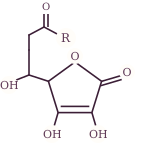
Also known as
Main function
THD is the oil-soluble form of Vitamin C. Its fatty ester chain lets it move through the skin's lipid layers without needing the low, acidic pH pure Vitamin C requires.
What does this mean for melanin-rich skin?
THD is oil-soluble, so it moves through the skin's lipid layers instead of needing a low, acidic pH to work like pure Vitamin C does. That's the main advantage for melanin-rich skin: it gets the tyrosinase-blocking, dark-spot-fading benefit without the stinging that can trigger more pigment, making it one of the more approachable first choices if your skin is prone to reacting.
Evidence
Tyrosinase inhibition, oil-soluble delivery Mechanistic
Same core mechanism as other Vitamin C forms, delivered through the skin's lipid layer rather than requiring low pH.
Tolerability Well tolerated
Generally considered one of the gentler Vitamin C forms for reactive skin, though individual results vary by formulation.
How does climate affect this?
THD as a raw ingredient is the most heat-and-humidity-stable form of Vitamin C available. Because it's oil-based rather than water-based, it doesn't react with moisture in the air the way L-ascorbic acid does, so it won't discolor or lose potency as readily in hot, humid storage. As always, the finished product's real-world stability still depends on its full formulation, not the raw ingredient alone.
Key considerations
- — A solid pick if you live somewhere the other Vitamin C forms tend to degrade fast — but still worth following the manufacturer's storage instructions.
What can you actually check?
Every cosmetic sold in Nigeria is legally required to carry a NAFDAC number. Check yours on NAFDAC's NAPAMS portal — no result, or a completely different product, is your answer.
THD is usually formulated into oil-based serums, since it's an oil-soluble ingredient — but formulators can build oil-soluble actives into different textures, so texture alone doesn't confirm anything either way. Check the ingredients list for "Tetrahexyldecyl Ascorbate" by name rather than trusting a front-label "Vitamin C" claim alone.
- Typical formulation pH
- 4.0 – 6.5
- Concentration range
- Up to 30%
- Common concentration used
- 5–10%
- Best for
- Sensitive or reactive skin, and dry skin types wanting Vitamin C without irritation
- Best time of use
- AM or PM
The oil-soluble delivery mechanism and heat stability described here reflect well-established cosmetic formulation chemistry for Vitamin C derivatives. An earlier draft of this page cited a specific 2013 clinical study on 10% THD ascorbate — that citation has been removed until it can be independently verified, rather than left in unconfirmed.
This section will be updated with specific clinical trial citations as the site's sourcing is expanded.
Sourcing tier: general formulation chemistry (one prior unverified citation removed).
At a glance: INCI Tetrahexyldecyl Ascorbate · Vitamin C derivative · Oil-soluble · Common in serums, oils · AM or PM · Last reviewed September 2026