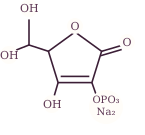
Also known as
Main function
SAP is a stable, near-neutral-pH derivative of Vitamin C. It converts to active ascorbic acid inside the skin, trading some potency for a much gentler experience.
What does this mean for melanin-rich skin?
SAP works the same way pure Vitamin C does, by blocking tyrosinase to slow down excess pigment. The difference is the pH: SAP sits around 6 to 7, close to skin's own pH, so it doesn't sting or trigger the kind of irritation that can lead to more dark marks. It converts to active Vitamin C more slowly, so results build gradually rather than fast. It also has mild anti-acne and sebum-regulating properties, which is genuinely useful if breakouts are part of what's causing your dark spots in the first place.
Evidence
Tyrosinase inhibition (via conversion) Mechanistic
Converts to active ascorbic acid within skin before acting on pigment — a slower, gentler path to the same mechanism.
Low irritation risk Well tolerated
Near-neutral pH is the key reason this form is generally better tolerated than pure L-ascorbic acid.
How does climate affect this?
SAP as a raw ingredient holds up well in heat and resists oxidizing the way pure L-ascorbic acid does — it won't turn dark or lose potency as quickly on a hot shelf. Its mild antimicrobial effect is also a genuine plus in sweaty, humid conditions where breakouts tend to worsen. As with any formula, the finished product's stability still depends on its full ingredient list, packaging, and storage — not SAP alone.
Key considerations
- — Store away from direct sun and heat for the longest shelf life, even though this form is more heat-stable than pure ascorbic acid.
What can you actually check?
Every cosmetic sold in Nigeria is legally required to carry a NAFDAC number. Check yours on NAFDAC's NAPAMS portal — no result, or a completely different product, is your answer.
If a product just says "Vitamin C" on the front with no SAP or "Sodium Ascorbyl Phosphate" listed in the ingredients, you can't actually confirm what form you're getting — check the ingredients list yourself rather than trusting the front label alone.
- Typical formulation pH
- 6.0 – 7.0
- Concentration range
- 1 – 10%
- Common concentration used
- 3–5%
- Best for
- Sensitive, acne-prone, or reactive skin wanting a gentler Vitamin C option
- Best time of use
- AM or PM
The conversion mechanism, pH profile, and heat stability described here reflect well-established cosmetic formulation chemistry for Vitamin C derivatives, rather than a single cited trial.
This section will be updated with specific clinical trial citations as the site's sourcing is expanded.
Sourcing tier: general formulation chemistry.
At a glance: INCI Sodium Ascorbyl Phosphate · Vitamin C derivative · Water-soluble · Common in serums · AM or PM · Last reviewed September 2026