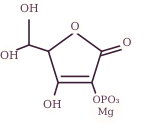
Also known as
Main function
MAP is another near-neutral-pH Vitamin C derivative. It converts to active ascorbic acid inside the skin and, unlike most Vitamin C forms, offers genuine hydration and barrier support on its own.
What does this mean for melanin-rich skin?
MAP needs to convert into active Vitamin C inside the skin before it can block tyrosinase, so it works more slowly than pure ascorbic acid. What you get in exchange is a neutral, skin-friendly pH with very low irritation risk. That matters directly for melanin-rich skin, since irritation itself is what tends to trigger new dark marks. It's also genuinely hydrating and supports the skin barrier, which most Vitamin C forms don't do on their own.
Evidence
Tyrosinase inhibition (via conversion) Mechanistic
Same underlying mechanism as pure Vitamin C, reached more slowly through in-skin conversion.
Low irritation, added hydration Well tolerated
Near-neutral pH and barrier-supporting properties make this a common choice for reactive or already-compromised skin.
How does climate affect this?
MAP as a raw ingredient stays stable in hot, humid conditions longer than pure L-ascorbic acid, though not quite as long as SAP. It won't discolor or turn on you the way ascorbic acid does — but it's still a water-based ingredient, so how a finished product performs in heat depends on its full formulation and packaging too, not MAP alone.
Key considerations
- — Keep away from direct heat and sunlight to get the most life out of any water-based Vitamin C product, MAP included.
What can you actually check?
Every cosmetic sold in Nigeria is legally required to carry a NAFDAC number. Check yours on NAFDAC's NAPAMS portal — no result, or a completely different product, is your answer.
Check the ingredients list for "Magnesium Ascorbyl Phosphate" by name. A front label that just says "Vitamin C" without it listed in the ingredients doesn't actually confirm what you're buying.
- Typical formulation pH
- 6.0 – 7.0
- Concentration range
- 1 – 10%
- Common concentration used
- 3–5%
- Best for
- Dry, sensitive, or barrier-compromised skin wanting Vitamin C benefits plus hydration
- Best time of use
- AM or PM; results usually take 8–12 weeks
The conversion mechanism, pH profile, and hydration properties described here reflect well-established cosmetic formulation chemistry for Vitamin C derivatives, rather than a single cited trial.
This section will be updated with specific clinical trial citations as the site's sourcing is expanded.
Sourcing tier: general formulation chemistry.
At a glance: INCI Magnesium Ascorbyl Phosphate · Vitamin C derivative · Water-soluble · Common in serums, creams · AM or PM · Last reviewed September 2026