Also known as
Main function
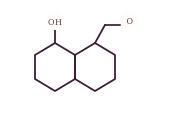
Licorice root extract's brightening activity comes from a compound called glabridin. It's generally considered one of the gentler botanical brightening options.
What does this mean for melanin-rich skin?
Licorice's active brightening compound, glabridin, inhibits tyrosinase and also has genuine anti-inflammatory properties. Calming irritation matters here too, since it's itself protective against new PIH. It's generally considered one of the gentler brightening options, which is part of why it's often paired with stronger actives like kojic acid or retinol to offset their irritation.
Evidence
Tyrosinase inhibition (glabridin) Mechanistic
Well-reproduced finding across in-vitro studies of glabridin's tyrosinase-inhibiting activity.
Anti-inflammatory support Mechanistic
Reduces irritation that would otherwise risk triggering new PIH — a supportive rather than standalone effect.
How does climate affect this?
As a plant extract, stability depends heavily on the specific extraction process and how well the finished product is preserved and packaged. This varies more by brand than by the raw botanical itself. There's no unusual heat sensitivity beyond standard storage practice.
What can you actually check?
Every cosmetic sold in Nigeria is legally required to carry a NAFDAC number. Check yours on NAFDAC's NAPAMS portal — no result, or a completely different product, is your answer.
Then check the ingredients list for "Glycyrrhiza Glabra (Licorice) Root Extract." Extract concentration and quality vary a great deal between brands and aren't usually disclosed, so the named ingredient is what's actually checkable.
- Typical formulation pH
- 4.0 – 6.0
- Concentration range
- Varies by extract standardization
- Best for
- Sensitive, reactive, or redness-prone skin wanting gentle brightening
Glabridin's tyrosinase-inhibiting and anti-inflammatory activity is a well-reproduced finding across in-vitro studies. It is not tied to one specific human clinical trial in the sources reviewed for this entry.
Sourcing tier: general formulation/botanical chemistry.
At a glance: INCI Glycyrrhiza Glabra Root Extract · Brightening / soothing botanical · Water or oil extract · Common in serums, creams · AM or PM · Last reviewed September 2026