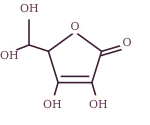
Also known as
Main function
L-ascorbic acid is the most-studied, most potent form of Vitamin C used in skincare — and also the least stable, requiring a low pH to stay active.
What does this mean for melanin-rich skin?
L-ascorbic acid blocks tyrosinase, the enzyme that produces melanin, so it genuinely works on dark spots and uneven tone. But it only stays stable and effective at a very low pH, around 2.5 to 3. That acidity is exactly what can sting and irritate melanin-rich skin — and irritation is its own problem here: it can trigger the skin to produce more pigment as a healing response, working against the very thing you're using it for. If your skin is sensitive or already prone to marking, this is the form most likely to backfire.
Evidence
Tyrosinase inhibition Mechanistic · Clinical
Well-established mechanism for reducing pigment production, backed by clinical use over decades.
Irritation risk on melanin-rich skin Mechanistic
The low pH required for stability is a known irritation trigger — this is a formulation trade-off, not a flaw in any one brand's product.
How does climate affect this?
This is the least heat-and-humidity-friendly form of Vitamin C. It's water-based, and it oxidizes fast when exposed to air, light, and heat, often turning dark amber or brown within weeks in a hot climate. Once it's oxidized, it's not just less effective — it can act as a pro-oxidant, meaning it may do more harm than good on your skin.
Key considerations
- — Keep it in an opaque or dark glass bottle, and if the serum has changed color, stop using it.
- — A color change is a chemistry fact, not a brand failure — even a genuine, well-made product will oxidize eventually once opened.
What can you actually check?
Every cosmetic sold in Nigeria is legally required to carry a NAFDAC number. Check yours on NAFDAC's NAPAMS portal — no result, or a completely different product, is your answer.
A fresh L-ascorbic acid serum should be clear to pale yellow, not dark amber or brown. Nigeria's heat means this form degrades faster here than almost anywhere, so a bottle that's already discolored on the shelf may simply be old stock rather than fake — either way, it won't work as intended. Buy from sellers with real turnover, and check the batch or expiry date before buying.
- Typical formulation pH
- 2.5 – 3.5
- Concentration range
- 10 – 20%
- Common concentration used
- 10–15% for most skin
- Best for
- Normal, resilient skin — use caution if your skin is sensitive or reactive, since this is the most irritating Vitamin C form
- Best time of use
- AM, under sunscreen
Avoid combining with retinol in the same routine, benzoyl peroxide, or strong exfoliating acids — the low pH and other actives can compound irritation.
The pH stability range, oxidation behavior, and tyrosinase-inhibition mechanism described here are well-established, widely reproduced findings in cosmetic and dermatological chemistry rather than results from a single study.
This section will be updated with specific clinical trial citations as the site's sourcing is expanded.
Sourcing tier: general formulation/dermatology chemistry.
At a glance: INCI Ascorbic Acid · Antioxidant / brightening · Water-soluble · Common in serums · AM, under sunscreen · Last reviewed September 2026