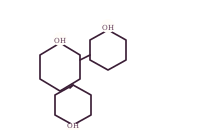
Also known as
Main function
Green tea's main active compound, EGCG, is a genuinely well-studied antioxidant with anti-inflammatory properties, used to support and protect skin rather than treat pigmentation directly.
What does this mean for melanin-rich skin?
Green tea's main active compound, EGCG, is a genuinely well-studied antioxidant with anti-inflammatory properties. Calming inflammation matters for melanin-rich skin the same way it does for other ingredients on this site: less irritation means less PIH risk. It's a supportive, protective ingredient rather than a direct pigment-fading one.
Evidence
Antioxidant / anti-inflammatory support Mechanistic
EGCG's antioxidant and anti-inflammatory activity is well documented; specific melanin-rich-skin clinical data is limited.
How does climate affect this?
Green tea extract is prone to oxidation, similar to other polyphenol-rich botanicals. Heat, light, and air all degrade it over time.
Key considerations
- — A well-formulated product should be packaged to limit air and light exposure.
What can you actually check?
Every cosmetic sold in Nigeria is legally required to carry a NAFDAC number. Check yours on NAFDAC's NAPAMS portal — no result, or a completely different product, is your answer.
Then check the ingredients list for "Camellia Sinensis Leaf Extract."
- Typical formulation pH
- 5.0 – 7.0
- Concentration range
- Varies by extract standardization
- Best for
- All skin types, especially oily or antioxidant-seeking routines
EGCG's antioxidant and anti-inflammatory activity is well documented in general phytochemistry literature. Specific melanin-rich-skin clinical data is limited in the sources reviewed for this entry — noted honestly rather than overstated.
Sourcing tier: general botanical chemistry, limited direct clinical data.
At a glance: INCI Camellia Sinensis Leaf Extract · Antioxidant · Water or oil extract · Common in serums, toners · AM or PM · Last reviewed September 2026